
Senior operations leadership for manufacturers, without the full time hire.
Fractional and interim operations and quality leadership.
I run operations and fix quality systems for manufacturers. I have been the operations manager, the quality manager, and the manufacturing engineering manager, so your problem does not have to stay inside one department for me to be useful on it. Thirty years in manufacturing, most of it in FDA regulated medical device plants. Where AI pays, I apply it inside your operations and your QMS.
Portland Metro and the Pacific Northwest in person, remote everywhere else
Examples of what brings people to me
Throughput stuck after the plant grew
A fast ramp up after new funding, a large order or a new program
An operations manager just left and the plant still has to run
CAPAs that close on paper and come back on the floor
AI tools already in use with no controls around them
If your problem is not on this list, bring it. Thirty minutes will tell us whether I can help.
Operations consulting
Fractional when I am engaged on an ongoing basis. Interim when a seat is empty and the plant still has to run. Lean, PDCA, and Kata applied to bottlenecks, downtime, and waste, done on the floor with your people so the improvement holds after the engagement ends. Where AI pays, I apply it to your operating systems.
Operations consulting in fullQuality systems
CAPA and root cause rescue, nonconformance handling and disposition, and response to audit findings. Built into how your team works, not bolted on before the audit. Your QMS also covers how AI is used, through the AI Control Plan.
Quality systems in fullFrom a monthly loss to a monthly profit
A $65M contract manufacturing plant with more than 120 people and an automated line that had never hit its rated output. I started with the failures: the repeat equipment breakdowns first, then the next band behind them, working on both how fast we recovered and how often it happened. Scheduled preventive maintenance came in.
Equipment availability went from 40% to 85%. The capacity that freed carried on-time delivery from 91% to 99.8%. The plant went from a $100,000 monthly loss to $450,000 a month in gross profit. Those are the controller's numbers, not my estimates.
More of the recordThe AI Control Plan: find where AI can hurt you. Control it there.
Your people are already using AI. List where, rank each use by how bad a wrong answer is and whether anyone would catch it, and put controls on the top of the list. It goes inside a quality systems engagement, or it can be taken on its own.
The AI Control Plan in fullWhat happens, in what order
01It starts with 30 minutes
On the problem that is costing you sleep. You leave with a clear next step, whether or not we work together.
02We agree the shape
Fractional if the work is ongoing, interim if you are covering a gap. Engagements run from a few days to several months, depending on the problem. For a Control Plan, the scope is the workflow the ranking picks, as a fixed fee engagement. Scope is set on the call.
03I work with your people, and develop them
On the floor, with your people. I coach and develop your team as we go, so the improvement holds after the engagement ends.
04Your team owns the result
What I leave behind is built to be run by your people: the process improvements, the closed corrective actions, the control plan.
The first job is always the same: make it safe to see what's actually happening (no blame) because once your team can see it clearly, they can act on it.
Book a 30 minute callWho you'd be working with
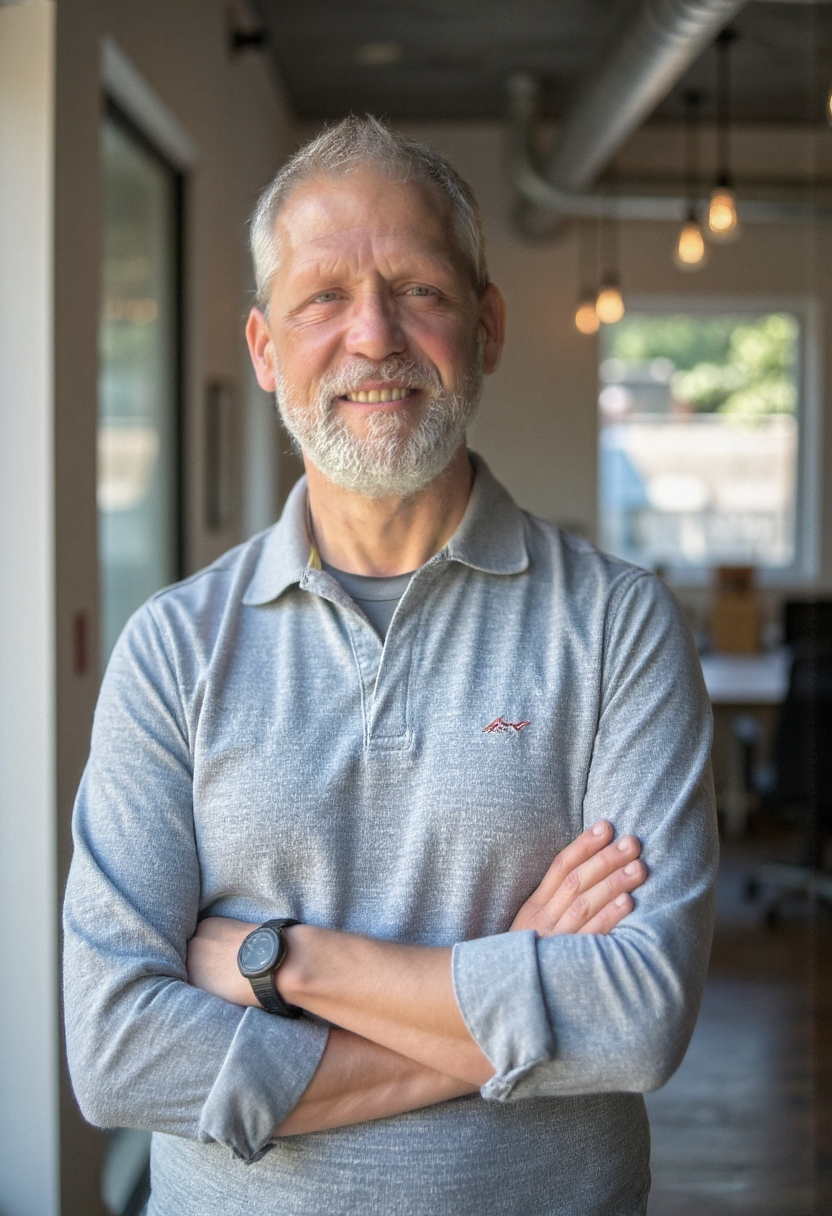
Richard Snyder. Thirty years in manufacturing, most of it in FDA regulated medical device plants. I have been the quality manager, the operations manager, and the manufacturing engineering manager, which is why your problem does not have to stay inside one department for me to be useful on it.
Verify the background on LinkedIn →
About Richard Snyder